Français
 Nederlands
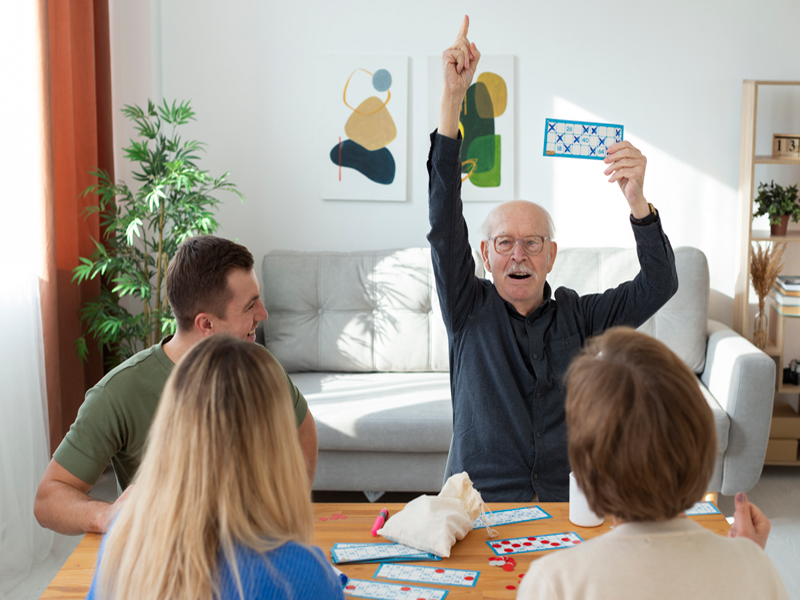
The universal power of playing
Games are an essential part of our human experience, bridging the gap between generations effortlessly. Whether it involves classic board games, dynamic outdoor activities, or modern digital challenges, the concept of fun remains a powerful engine for social interaction and cognitive development. When young and old come together around a game, societal barriers fade away, creating a unique atmosphere of equality. It is fascinating to observe how a simple card game or a strategic board game offers not only entertainment but also stimulates skills such as logical thinking, patience, and empathy in participants of all ages.
By regularly making time for such activities, we invest not only in quality relaxation but also strengthen the bonds between families and groups of friends. The adaptability of games ensures that everyone can contribute at their own level, contributing to an inclusive and enjoyable experience for all who participate in this timeless entertainment.
Strategy and connection in a digital world
In our current fast-paced world, the need for interaction is more important than ever before. Where technology is often viewed as an isolating factor, modern game forms offer a platform for connection, even across great physical distances. Selecting the right game is crucial; it must be challenging enough for experienced players while remaining accessible to newcomers. Consider cooperative games where players work together rather than against each other to achieve a common goal. This form of collaboration promotes communication and ensures a shared victory, which significantly strengthens group dynamics and provides a sense of collective satisfaction.
Additionally, we see traditional games making a comeback in households that consciously choose more screen-free time. The physical act of moving pawns or shuffling cards offers a tangible experience that digital interactions often lack. By consciously choosing a varied range of games, we ensure that boredom is kept at bay and mental sharpness is maintained at every age, while the joy of playing remains central.
Investing in sustainable recreation
Integrating games into daily life is an investment in well-being that pays off in the long term. When we play, we stimulate our brains in an enjoyable way, contributing to better cognitive health in seniors and an accelerated learning curve for young people. It is the ideal education in an informal setting, where learning to follow rules and dealing with loss or win are important life lessons. Moreover, the variety in game offerings ensures that there is a suitable challenge for every personality type, whether one enjoys action, introspection, or pure luck.
Creating a gaming culture within a family or organization requires only a small threshold and a dose of enthusiasm. By alternating between active physical games and quiet strategy games, the offering remains attractive for everyone. Ultimately, for all ages, it is about the shared experience and creating memories. It is this creativity in approach that turns a simple game into an unforgettable moment, where fun knows no boundaries and every participant feels valued and involved in the collective process.