Français
 Nederlands
The transition to a sustainable future
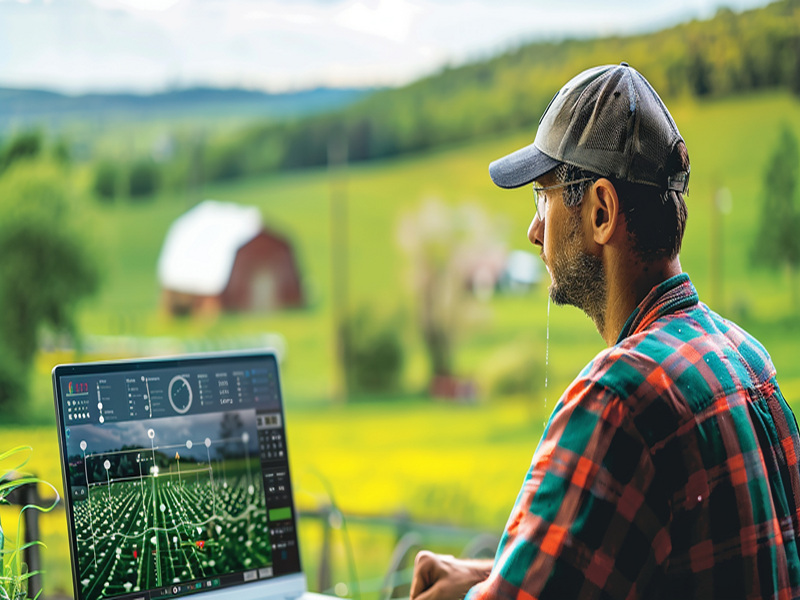
The modern horticultural sector is currently undergoing a radical transformation, driven by the need to use natural resources more efficiently and minimize environmental impact. One of the most prominent developments is the shift toward **precision agriculture**, where technology is used to precisely match the input of water, fertilizers, and crop protection agents to the needs of the crop. This results not only in higher yields but also in a significant reduction of the ecological footprint. In addition, the circular economy is gaining ground, with residual flows such as leaf waste and substrates being reused to create a closed system. This approach requires a fundamental revision of operations, but offers immense long-term benefits for both profitability and the social acceptance of the sector. Through innovations in sensor technology and data analytics, growers today can monitor and steer growth processes with a precision previously unimaginable, lifting the sector to a new era of technological superiority.
Automation and robotization as a driving force
Besides sustainability, the use of robots and autonomous systems forms the cornerstone of contemporary greenhouse horticulture. Due to the persistent labor market tightness, **robotization** has become a necessary condition for the survival of many enterprises. Advanced systems for harvesting fruits, sorting products, and performing crop maintenance take over repetitive and physically demanding work from humans. This technological progress enables 24/7 operation, significantly increasing production efficiency and quality. Moreover, the use of artificial intelligence allows growers to detect diseases and pests at a very early stage, even before they are visible to the human eye. This allows for preventive measures that make the use of chemical agents unnecessary. This synergy between human expertise and machine power is essential for maintaining a competitive edge in an increasingly challenging international market where requirements for food safety and transparency are continuously rising.
Energy efficiency and innovative cultivation methods
Realizing climate-neutral operations is one of the greatest challenges facing the modern sector. The search for alternative energy sources, such as geothermal heat and the use of waste heat, has accelerated due to the high volatility of the energy market. The concept of the 'greenhouse as a source of energy' is gaining popularity, with excess heat being stored in seasonal storage units. Furthermore, the rise of **vertical farming** is a trend that cannot be overlooked, where crops are grown in multiple layers under controlled conditions. This enables local production in urban environments, drastically reducing transport costs and emissions. Through the implementation of **LED lighting** and optimized climate computers, the growth process is perfectly simulated, independent of weather conditions. These innovations in **plant biology** ensure optimal nutrient uptake, leading to healthier products with a longer shelf life. As a result, the modern grower is no longer just a cultivator, but also a data analyst and energy manager operating within a complex ecosystem.