Français
 Nederlands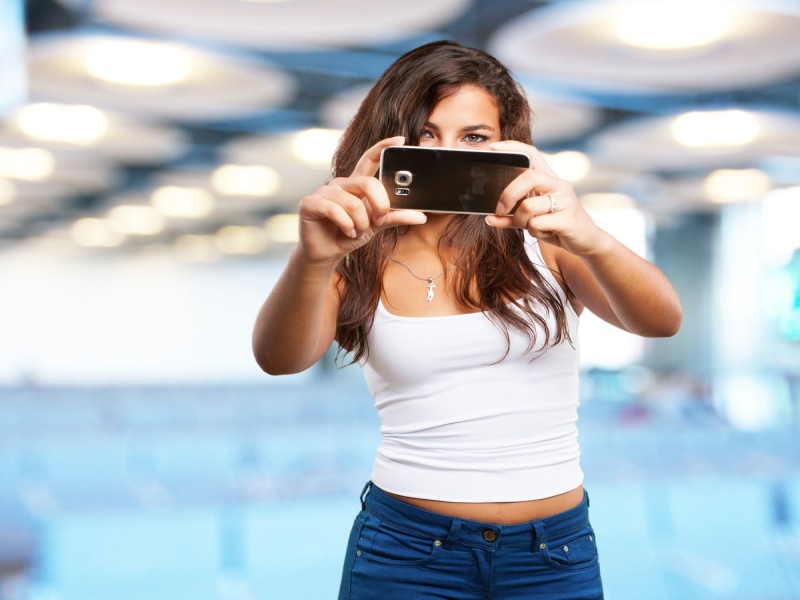
The ultimate battle between mobile photography leaders
In the current technology landscape, the smartphone has evolved into the primary tool for capturing our most precious moments. Competition between manufacturers is fiercer than ever, with camera quality becoming the most important distinguishing factor. Apple, Samsung, and Google currently dominate the market with their flagships, each offering a unique approach to capturing light, color, and detail. The iPhone 15 Pro Max excels in video production and color consistency, while the Samsung Galaxy S24 Ultra impresses with its versatile zoom options and high-resolution sensors. Google, on the other hand, relies heavily on computational photography, where the Pixel 8 Pro compensates for hardware shortcomings through software.
For the consumer, this means that the choice of device depends increasingly on personal preference for specific image processing and desired photographic workflows. Comparing these devices requires a critical look at sensor size, optical stabilization, and the integration of artificial intelligence in image processing.
Hardware versus software in modern photography
When looking at the technological foundations, we see a fascinating split in strategies. The hardware in modern smartphones is now so advanced that physical lens limitations are largely compensated for by advanced algorithms. A flagship today possesses multiple lenses: wide, ultra-wide, and a periscopic telephoto lens. The processing of this data by the processor is crucial for the end result. While Samsung chooses brute computing power and megapixel optimization, Google focuses on the 'Magic Editor' and other AI features that perform complex edits in seconds. Apple, conversely, maintains a true-to-life approach, emphasizing the photographer's intent through the 'Photonic Engine'.
Users looking for a smartphone that performs in both professional settings and everyday use should not only look at paper specifications but primarily at RAW capabilities and third-party application workflows. The integration between hardware and software is ultimately decisive for the speed and user-friendliness with which an excellent photo is delivered.
Choose the right lens for your visual story
The ultimate choice for a camera phone depends on your specific needs. If you are a traveler wanting to capture distant details, the zoom range of the Samsung series is unbeatable. For content creators striving for social media dominance with video, the iPhone remains the absolute standard due to its stabilization and ProRes capabilities.
The photography enthusiast who loves high-contrast images and excellent HDR performance will likely feel more at home with Pixel devices, which excel in difficult lighting conditions thanks to their algorithms. It is essential to realize that no device is perfect in every scenario. The comparison between these systems shows that we are in an era where hardware differences are becoming smaller and software choices are becoming more important. Anyone looking for the best experience should test how each device handles skin tones, depth of field in portraits, and the balance between sharpness and noise reduction in low light.
Ultimately, the best camera is the one you have with you and that best aligns with your personal vision.