Français
 Nederlands
The transition to intelligent horticulture
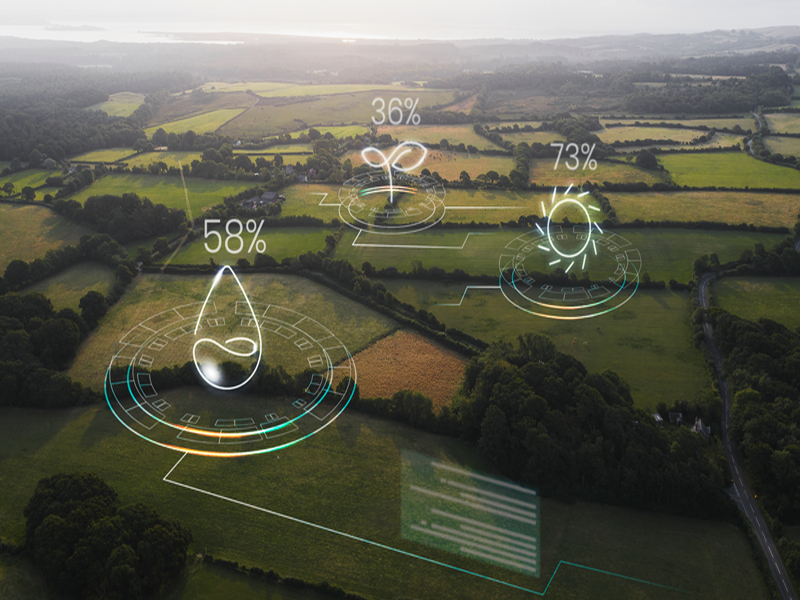
The global horticultural sector is at a crucial turning point where traditional methods are being supplemented or even replaced by advanced technological solutions. The integration of robots and artificial intelligence (AI) is no longer a vision of the future, but a necessary development to address a growing world population and a decreasing availability of labor. Through the use of automation, growers can optimize processes that were previously labor-intensive and inefficient. Smart systems now continuously monitor crop health, soil moisture, and environmental factors, allowing interventions to be carried out more accurately. This leads to a significant reduction in waste and a higher yield per square meter, which is essential for a sustainable food supply in the long term.
Precision agriculture and autonomous management
One of the most promising aspects of this technological progress is the shift toward precision agriculture, where robots can work at an individual plant level rather than at the level of an entire field or greenhouse. These autonomous vehicles and robots are equipped with advanced sensors and cameras that use AI algorithms to identify weeds, diseases, and pests at an early stage. This allows crop protection to be applied in a highly targeted manner, significantly reducing the sector's ecological footprint. Furthermore, data analysis enables growers to build predictive models for growth patterns and market demands. By combining robotics with big data, companies can maximize efficiency in the chain. The deployment of robotics transforms the greenhouse into a controlled and fully predictable environment, minimizing human error and raising operational reliability to a higher level.
Sustainability and the future of the sector
The societal pressure on horticulture to produce in an environmentally friendly way is increasing, and AI plays a key role here by improving energy consumption and water efficiency. Innovative algorithms can adjust climate control systems in greenhouses in real-time based on changing weather conditions, preventing unnecessary energy loss. This is a crucial step in the sustainability of the sector, where sustainability goes hand in hand with economic profitability. In the near future, we will see that cooperation between human and machine becomes the norm, with personnel focusing on complex decision-making and creative tasks, while repetitive and physically demanding work is performed by robots. The deployment of innovation ensures that horticulture remains competitive in a challenging global market. This symbiosis between technology and craftsmanship forms the foundation for the horticulture of tomorrow, in which quality, efficiency, and respect for nature are central to every growth process.